Saturday, September 18, 2010

Catchup: "Laughing Pig Rose; JC Cellars Ripkin Late Harvest Viognier"

Delayed notes on a couple of tasty bottles from last month.

Laughing Pig Rose, Big Table Farms, Oregon, Pinot Noire Rose 2009, 14.1%, $22:

Top line: A *delicious* rose -- flavorful, yummy, just-one-more-glass-please -- you know, all those technical terms. If you like rose, you'll like this dry, flavorful, aromatic and lovely wine. If you don't like rose -- well, you're just wrong, you haven't been tasting the right roses, that's all.

Big Table Farm

JC Cellars, Alexandra, Ripkin Vineyard Late Harvest Viognier, Lodi, 2007, 11.5%, $24 (half bottle). Top line: Jesus, this, this is so good it should be outlawed in most states.

This dessert wine is intensely sweet, voluptuously sweet, like the most delicious candy you've ever tasted, except in liquid form. My eyes roll back in my head every time I take a sip.

And no wonder it's sweet: Brix at harvest: 42 (!). Residual sugar: 19.4%. This is a wine lollipop.

But don't let that sound like something that should put you off. This is a wine you sip and savor every tasty drop. Now, I know lots of people who immediately say, "I don't like sweet wines." I have to tell them what I tell those who don't think they like rose, above: You haven't tried enough dessert wines to know what you're talking about.

I will concede that *if* you have an anti-sweet tooth and don't like candy, soda, ice cream, pies and cakes, or anything else that has sugar in it, due perhaps to a genetic tragedy -- then yes, you will not like this wine. For all the rest of humanity -- you will. Your taste buds would have to be dead for you not to enjoy sipping this nectar.

If your experience with sweet wines is White Zinfandel, or cheap German whites, or other similar plonk, then what you don't like isn't actually the sweetness. It's the lack of balance -- the white Zins you drank in college lacked the acid to balance the sugars, resulting in a wine that is easy for a new drinker, but quickly becomes boring because it's flabby. A well-made dessert wine, on the other hand, is in no way boring.

Or maybe you've been served a port, and while others raved, you were turned off by the brandy added in the production process, and decided that if this is what a sweet dessert wine tastes like, then no thanks.

But there's a wider world of wines out there, you shouldn't close your eyes. As Jeff Cohn, founder and winemaker of JC Cellars, says on this bottle: "You'll never know unless you try it." And he's right.

Remember, one of the most expensive wines in the world, Chateau d'Yquem, at $200 the half bottle, is a sweet white dessert wine that is also as sweet as Jeff's here. And, frankly, Jeff's isn't significantly less delicious than that French wine priced ten times higher.

Do yourself a favor.

I did; I was back at the winery last week and bought two more bottles. I know what good is.

JC Cellars, 4th Street, Oakland, CA.

Friday, August 27, 2010

Rock Me Baby

Rock Me Baby
By John Engstrom


“Rock me baby, rock me all night long”: So begins B. B. King’s immortal song that could have been the theme of a memorable night of wine tasting. Tricia and David Grodin hosted a meeting of the Pompous Twits at their home recently, and all the wines were from the Rockpile AVA. An AVA, or American Viticultural Area, is a winegrowing region that has satisfactorily demonstrated a characteristic that differentiates it from neighboring winegrowing regions. In Rockpile’s case, it distinguishes itself in two ways. First, the soil is poor and, as you might suspect, very rocky. Also, to be classified as Rockpile, the vineyards must be at over 800 feet above sea level. The Rockpile AVA is northwest of Sonoma’s Dry Creek AVA, and there is some overlap of the two. There are no “old vines” in the Rockpile region. Not because vines weren’t planted there, but because most of the old plantings in the area are now beneath Lake Sonoma. The lake provides a benefit though, because it creates an inversion layer which pulls in cooling breezes from the Pacific Ocean, thirteen miles away, which gives the vines the much needed heat respite necessary to achieve balance in the finished wines. Still, the mid-day heat is too much for white wine grapes, which is why only wines from red wine grapes were tasted.

Aperitif: With no white wines, the welcoming wine was a 2009 JC Cellars Rose of Syrah. Possessing more Syrah flavor than some red wine Syrahs, this was a thoroughly enjoyable way to start the evening. $14 / ***+.

First Flight – Cabernet Sauvignon: This flight consisted of the 2005 Stryker Cabernet Sauvignon, the 2003 Paradise Ridge Cabernet Sauvignon and the 2007 Carol Shelton Cabernet Sauvignon. There was a vociferous few who thought that the Stryker was the best wine of the night. I was not among them. Neither the Stryker nor the Paradise Ridge had enough fruit component to balance out the heavy dose of tannins inherent in Cabernet Sauvignon, leaving the two wines in question with a dusty feel in the finish that I find off-putting. The Carol Shelton offering, on the other hand, was very enjoyable, because its black currant fruit was much more evident. This may be due to its younger age, or may be due to Carol Shelton’s winemaking ability. Alas, this must have been a limited release, because it does not appear on the Carol Shelton website.
2005 Stryker CS $38 / ***
2003 Paradise Ridge CS $28 / ***
2007 Carol Shelton CS $ 40 / ****

Second Flight – Mauritson Zinfandel: Unlike most wine producers that have one, or at best two sources of Rockpile fruit, Mauritson has several vineyards in the Rockpile AVA, Thus, this flight officially consisted of the 2008 Jacks Cabin Zinfandel, the 2007 Rockpile Ridge Zinfandel and the 2008 Westphall Vineyard Zinfandel. I say officially, because there was accidentally a 2007 Westphall Vineyard Zinfandel that was also poured. Zinfandel seems to be a better choice for Rockpile than Cabernet Sauvignon. It seems to develop more fruit flavors in proportion to the tannin. Rockpile Zinfandels develop an interesting fruit character. It is not unusual to find red raspberry, black raspberry, or Boysenberry fruit characteristics in Zinfandel. Even blackberry is fairly common. Well, in Rockpile, that berry flavor manifests itself as blacker-than-blackberry. This flavor is an extrapolation beyond the realm of comparable berry flavors currently known to mankind. All four of these wines, and indeed, most of the evenings Zinfandels possessed that fruit flavor. The Jacks Cabin was my favorite of this flight, and the evening, because it possessed so many nuanced layers of fruit, spice and tannin in perfect balance. However, as you can tell by the scores assigned, you can’t go wrong with any of these wines.
2008 Mauritson Jacks Cabin Zin $36 / *****
2007 Mauritson Rockpile Ridge Zin $36 / ****
2008 Mauritson Westphall Vineyard Zin $ 36 / ****
2007 Mauritson Westphall Vineyard Zin $36 / ****+

Third Flight – Zinfandel - Assorted Wineries: More Zinfandel, this time from three different wineries but only two different vineyards. The 2008 Hobo Wine Company Rockpile Zinfandel and the 2007 Branham Rockpile Zinfandel both came from Gary Branham’s vineyard in Rockpile. Wow, what a difference in these two wines. The Branham is intense, brooding and redolent of the ultra-blackberry fruit found in the previous fight with a black pepper spice component. The Hobo tastes like that wine mixed fifty-fifty with raspberry Twizzlers. In other words, it has a sweet candy like flavor on top of the usual Rockpile profile, and alas, not in a good way. The third wine in the flight was a 2005 Carol Shelton Zinfandel from the Florence Vineyard. This wine, like the Carol Shelton Cab of the first flight, showed much more Zinfandel fruit flavors than its flight mates, and in great balance. Still, if forced to pick between this and the Branham, it would be the Branham by the narrowest of margins.
2008 Hobo Rockpile (Branham Vyd.) Zin $30 / **
2007 Branham Rockpile Zin $30 / ****+
2005 Carol Shelton Rocky Reserve Zin (Florence Vyd.) $ 32 / ****+

Fourth Flight – Zinfandel - Assorted Wineries: The final flight, was again Zinfandel from three different wineries. The first and third wines in the flight were from wineries known for sourcing great Sonoma county Zinfandel fruit, Seghesio and Rosenblum. Meanwhile the middle man of the flight, Valdez, like the Carol Shelton of the last flight, uses fruit from the Florence Vineyard. The 2008 Seghesio Rockpile Zinfandel was very close in flavor profile to the Carol Shelton Zinfandel that was poured just before it, while exhibiting more restraint. There is a place for restraint in wine, even Zinfandel, but Rockpile isn’t it. A little too subdued for me. The 2005 Valdez Rockpile Zinfandel, had no such restraint. Its inky purple-black color showed no age whatsoever, but the alcohol was a touch out of balance. The 2006 Rosenblum Rockpile Zinfandel had all the fruit, and balanced alcohol, but there seemed to be a lack in the spice and acid components which made this wine slightly out of whack, thus three very good wines, each just missing that special something to put them over the top, and for me the hardest flight to pick a winner in.
2008 Seghesio Rockpile Zin $36 / ***+
2005 Valdez Rockpile Zin (Florence Vyd.) $35 / ***+
2006 Rosenblum Rockpile Zin (Rockpile Road Vyd.) $ 35 / ***+


If you like your wines intense, stock the Rock.


How I rate wines:

***** = Five Stars = Outstanding wines showing excellent balance, style and distinctive character. These are worth seeking out and purchasing as much as you can afford.

****+ = Four Stars plus = Half-way between Four and Five Stars.

**** = Four Stars = Excellent wines with enough character, finesse and balance to distinguish from the rest. Buy a few bottles, and you can thank me later.

***+ = Three Stars plus = Half-way between Three and Four stars

*** = Three Stars = Very Good wines, but lacking that certain something that makes them special. Buy a bottle or two or three.

**+ = Two Stars plus = Half-way between Two and Three stars

** = Two Stars = Good wine, but nothing exciting. Use it to round out the case for a discount.

*+ = One Star plus = Half-way between One star and Two stars.

* = One Star = Mediocre wines that are adequate to drink, but only if nothing else is available.

## = no stars = Seriously flawed wine.

Saturday, August 7, 2010

5th Annual East Bay (SF) Urban Wine Xperience 2010 (UWX)

By Mac McCarthy


Twenty urban wineries showed their wares at the fifth annual consumer tasting event in Oakland, California, the East Bay area of San Francisco Bay, where the urban winery concept perhaps first took hold. The wines from these small vintners were terrific, many were innovative, and all were fun for a wine lover to try.

This is the fifth year the East Bay Vintner's Alliance   (EBVA) has held this event, and the branding brains have been busy, coming up with an eyecatching "UWX" shorthand (echoing the terminology used for the popular SWSX music festival). I was lucky enough, as an East Bay resident, to discover this gig its first year, and I've been to every one – and I heartily recommend this event to all you Northern Californian wine lovers.

The first few events consisted basically of coordinated open houses and a map – you drove from place to place to try their wines, the advantage being you got a good look at their varied facilities in surprising places – mostly warehouses in industrial areas you wouldn't ordinarily have occasion to cruise, at least not for wines. It definitely made the appeal of urban winemaking obvious: If you buy your grapes from growers (as most winemakers do), you don't need to have your winemaking facility actually in the winegrowing areas – you can have the grapes shipped. Since winemaking facilities need big open spaces, the decaying warehouses in declining urban industrial areas are perfect for this use – and they can be had much cheaper than crush facilities located in pricey Napa or Sonoma.

The annual East Bay event has been a big success, but this year they moved the event indoors, to a building in Jack London Square in Oakland -- thankfully, because I can take the BART instead of driving. 

Naturally, I couldn't test-taste all the fifty or so wines offered -- I don't spit, which limits me (but sure tastes good) – so I focussed on newer wineries and new wine offerings I didn't already know. 

Here are my highlight notes. I don't go overboard in describing the wines, since I think all those popular winereviewer descriptors are largely wasted -- I can't figure out what the things they claim to taste would taste like in a wine, can you? Of course not. 

So I tell you wines I thought were especially fun to drink, and which ones are lighter in style and which heavier, which are beverage wines (sit-down wines best for meals) and which are cocktail, or standup, wines best for parties. 

If any intrigue you, I sure hope you make the effort to find them and try them yourself. (And feel free to comment about it on this blog, the feedback would be great!) These wineries are mostly very small and you won't always find them in your BevMo -- but you can visit the wineries, buy online (if you live in the right state), and join their wine clubs. And when you visit Northern California, it's worth adding this novel "wine area" to your wine-touring plans.

Best of all, these wonderful wines, delicious expressions of enthused winemakers, are mostly priced very reasonably – remember, you're buying 'cult' wines at pre-'cult' prices! Brag to friends about these small-lot wines they are unlikely to have tried. Wine one-upsmanship at $15 to $30 a bottle is a great game!

Some of the notable wines I tasted follow. My pick for winery of the event is Stage Left, whose amazing Syrah and Grenache were delicious beyond words. More on them below.


Blacksmith Cellars Torrontes, Alta Mesa, 2008 - $15, 12.8% alcohol – What a wonderful aroma! Flowers and lychee! Tropical fruit and flowers in the taste, nice mid-body, good balance, good finish – winemaker suggests this would be a good wine with spicy foods, curries and wasabi (not me, baby, I don't like either of those – but beef & broccoli, and I'm there!).

Blacksmith's Chenin Blanc, North Coast, 2008, $15 -- Blacksmith is one of the few high-end wineries that makes a Chenin Blanc, so I looked forward to a taste – especially since I did not care for last year's bottling! This year, however, gets four stars – not much nose, but nice and clean with just enough crispness to make a good table wine. The winemaker said this batch came from 90-year-old vines that were stressed (winemakers stress some types of vines to force them to produce more concentrated flavors). Twenty percent of the wine was held back from malolactic, so when it was added back the wine would have that crisp clean flavor.

Aubin Cellars  French Columbard, 2008, $12, 12% – Not a wine you see much any more, French Columbard was a popular grape for jug wines back in the day. This crop was grown and bottled in France and imported – Aubin likes to make some of its wines in California, and import others that are hard to find here, adding a nice touch of interest to their lineup. I found this 4-star white bright, with a nice nose, tropical fruit and apple flavors, with a nice finish. This is a good summer wine, what I call a Deck Wine – that will also work as a beverage wine (i.e. with food).

Carica Wines is new to me, which is always fun – their Sauvignon Blanc is from the noteworthy Kick Ranch in Sonoma and is offered at $21 – a bit stiff, I thought. It's also a 4-star, though, with a nice fruity tang and enough acid for food, and at 14.8% alcohol, high for a white, it's got a kick (pun!). Winemaker Charles Dollbaum says the winery is six years old and had been using a custom-crush facility  in Santa Rosa and recently moved into the Rock Wall Wine Co. hive in Alameda.

Eno Wines'  Viognier, 2008, $18, grown in Santa Barbara County, is dry but the tropical fruit is so pronounced that it gives the impression of being sweet (not a bad thing at all); it has a nice round mid-palate without being cloying. I give it three stars.

JC Cellars,  one of the early urban winemakers, offered a 2008 Roussanne (75%)-Marsanne (25%) blend they dub The First Date, $28 – the grapes are from the Fess Parker property and the Stagecoach. It has a faint but interesting nose. I understand this is a popular wine (they must be experiencing demand to price it at $28!), but I didn't like it. I have a hard time with Roussannes and also with Marsannes, not sure why.

Urban Legends , one of my favorite new wineries, has a newly bottled 2009 Sauv Blanc ($18) from Lake County, that I liked, and give four stars. It's a nice calm wine, with balanced acid. Not a term you hear describing wines very often, but I felt that way tasting it. Winemaker Steve Shaffer says it's done South African style, and calls it a "plush" wine, with a sense of pineapples and papaya. I quite liked it: four stars.

R&B Cellars,  with its jazz-inspired names, had 2007 "Serenade in Blanc," a Sauv Blanc from Lake County (Mendocino) that was mellow and even-handed, not overboard in either fruit or acid, with a bit of creaminess; nicely balanced, even at 13.5% alcohol. It wasn't my favorite of all (I give it three stars) but it is a bargain, at a mere $11, if you can believe it.

Prospect 772, which is a member of the East Bay Vintner's Alliance though they hang out in Angel's Camp, up in the Sierras, offered me a nice little Syrah-Grenache Rose they called Baby Doll (they like cute names too). This is a 13.5% wine made in the saignee process (whereby they bleed off some of the juice when first crushing the grapes, which yields rose on the one hand and more concentrated reds on the other). It was cofermented with the Grenache, and was *flavorful,* with a wonderful nose—I give it four stars without hesitation. (Really, you have to drink more roses! They are more varied and more delicious than you've been misled to believe!) The wine is $18 and worth it. The winemaker bragged to me that they were the only ones at this event who grow their own grapes too! But they only make 40 cases of this stuff, so you'd better get going. (They also said Jeff Cohn of JC Cellars helps in the winemaking process.)

Rock Wall Wines,  Shauna Rosenblum's burgeoning winery and custom crush facility, had a Chardonnay, a 2009 Russian River Reserve, priced at $30 (!) – it was done in new oak, 50% of it given malolactic fermentation. It was rich – I was told this was due to spending lots of time stirring on the lees. However, I personally did not like this white – there was an odd note to it that I can't identify. Two stars. Maybe it's just me – at $30, somebody must like it.

Urbano Cellars' 2008 Vin Rose from Green Valley in Solano County is, as is customary from this innovative winemaker, a bold and unexpected wine made from Valdiguie  -- apparently the grape from which Napa Gamay, that old-time jug wine, was made! Somehow they found a vineyard with some ragged 70-year-old head pruned, dry farmed vines were hanging on, and cleaned it up to produce this dry, crisp white wine with a bit of strawberry to it. It was interesting, and $14; I give it three stars because I'm not sure the wine is quite as interesting to drink as its story is to tell. Good price, though.

Time for the Reds!

I am getting to like white wines I'm discovering more and more, especially with the innovations being made in Chardonnay – funny, I didn't see a single Chard at this event! – there is nothing like a dozen whites to make you really, *really* want a glass of *red!*

As one would think customary, I tasted whites first, then moved to the reds. I think next time, however, I will change my approach – I will at the next event taste two or four reds, then a white – see if the white clears my palate for the reds, and yet can still stand up flavorwise. Anybody had experience with this? (What makes me wonder about it is the well established but apparently not well known fact that if you're drinking big reds and your palate becomes fatigued, as it will, a glass of white bubbly will clear your palate like magic! So I wonder if a white still wine will have magical powers to any similar degree.)

First up was a Rosenblum Snow's 2007 Lake Syrah – the very definition of a big red (when made in California, at least). This $25 darling had that classic Syrah nose that goes on for hours! Wow! It was rich beyond belief, with an interesting citric tang (?). Alcohol is 14.5%.

I then tried a Cerruti Cellars (new to me!) 2009 Merlot rose called "Mar Blanc" with grapes from Alexander Valley. This wine has 1% residual sugar, just enough to make it sweet and delicious; it's $12. I then tried their 2006 Cuvee Red Blend from Napa Valley, from 35-year-old vines priced at $15. However, afternoon had settled in and the wine had gotten warm and that made it hard to enjoy it.

Dashe Cellars  offered their $25 2008 McFadden Farm/Potter Valley Dry Riesling, one of their pride and joys. My problem is, I like my Rieslings a little off-dry.

Up next was the newbie, Stage Left Cellars  – they aren't actually new, having been in Paso Robles for a few years and recently moved up to the Bay Area and joined the club here – the first wine of theirs I tried knocked me completely off my feet! The 2007 "The Scenic Route" is Syrah from the Rogue River Valley in Oregon – this $38 wine had the wonderful Syrah nose and followed up with knockout fruit in the middle that left me floored! It was rich, yet, as the winemaker aptly put it, "light on its feet." Exactly! I give this delicious wine five stars!

Then they served me their 2006 Grenache, which has 8% Mourvedre added (cofermented). This was another fruit-centric wowser, this time bright cherry flavors. Another five-star tasty delight. Understand, these aren't fruit-forward Zinfandels (which I also love), the fruit was bright, not jammy. Both these wines were the very definition of flavorful! A shame the Syrah is $38 and the Grenache is a heart-stopping $48!

That set me reeling off in a good mood to continue with more reds I hadn't tried yet. Andrew Lane Wines  had a 2007 Petite Sirah from Napa that was not bitter, thank you, but tasty; $28 and four stars. (Petits are sometimes unpleasantly bitter.) They also showed a 2007 Cab Franc from Oakville in Napa, at a stiff $45; it was good too. (Lot more people making Cab Francs these days, have you noticed?)

Aubin Cellars,  back again but this time with reds, had an 07 Carneros-sourced Pinot Noir at $24 that was good, but I found their 06 Sonoma Mountain Syrah had a bitter note.

I tried Blacksmith's 07 North Coast Claret, in this case a blend of Cab, Cab Franc, and Merlot ($20) – it had nice black fruit flavors in a rich base. Tasty!

Ehrenberg Cellars, one of the Rock Wall facility small wineries, had an 08 Contra Costa Zin that is in the light, un-Zinny style, but flavorful; four stars, $15. They offered barrel tastings of their 09 Lodi Petite Sirah that I found interesting, rich, but with a little bit of that Petite bitterness. Futures case price is $288.

I stopped by Eno Wines again because I overheard people talking up their Pinot. The 07 "The One" Fairview Road Ranch Pinot Noir is $35 and didn't impress me at first; but as it opened up in my glass, it grew on me, a lot, all the way up to four stars.

Irish Monkey,  one of my favorites for their amazing Cabs (and their many curious and interesting blends) had a 2008 "Chateaux du Lovall," a blend of Zin, Petit Verdot, Syrah, Merlot, and maybe one more grape but I can't quite make out my handwriting – I had been drinking, you see, and my handwriting is physician-like at the best of times. Anyway, this $31 wine was ok. Their Lodi-sourced 08 Mourvedre didn't really seem like a Mourvedre, but it was tasty anyway; $22.

I had a tipple of R&B Cellars' 07 "Swingsville" Zin, which is quite tasty until you realize with a shock that it's only $11 – then it seems even more tasty!

For this event (only!) I skipped JC Cellars, Rosenblum, and Rock Wall's other reds because I visit them so often I know their offerings, and at this point I was just running out of steam, so I also had to miss Periscope Cellars , Tayerle Wine,  and Adams Point, which makes surprisingly good fruit wines.  I did make it a point to stop by Urban Legend's table and sample, once again, their 08 Clarksburg Barbera, at $24 one of the best Barberas you'll ever drink. Five stars, and a good finish to a wonderful afternoon of wine!!

I've been to all five of these annual events, and I intend to come to every subsequent one. The winemakers I already know continue to knock out wonderful wines, and every year there are one or two new wineries doing fresh, new, wonderful things in the wine way! It's irresistible!

And Two Last Things!

Before I go, I have to mention two non-winery things at this show. The first is Vice Chocolates, which hands out yum! heavy-duty gourmet chocolates every year and I always end up buying a bagful. 

And the other is an intriguing idea I'll have to try one of these days: East Bay Winery Bike Tours! You go out with a tour group and a tour leader, bike around to the various East Bay wineries, taste their wines, get a box lunch to eat on the lawn somewhere, and enjoy the great weather and the great wines. How is that for an idea!! (They do similar bike tours in Napa, too.) Cool!


Wednesday, July 21, 2010

My Madeira Tasting: I Had No Idea It Could Taste This Good!

I've never cared much for Port wines, as I dislike the brandy used to fortify the wine. So it was with less than my usual enthusiasm that I accepted an invitation from The Tasting Panel Magazine and famed wine advisor Anthony Dias Blue to attend a "Madeira Master Class" event in June 2010.

But one thing I've found in my journeys through the worlds of wine is that if you think you don't care for a particular category of wine, just attend a tasting that gives you a chance to consider a wide range of that type of wine, and you'll find you're wrong about dismissing that entire category. So I went to the event, hoping to discover that I was wrong.

I was wrong! I may not like Port, but these Madeiras are absolutely spectacularly delicious!

Held at the Taj Campton Place Hotel in San Francisco, the 'class' consisted of a (very nice) five-course light lunch, each course accompanied by a particular style of Madeira wine. Blue provided a slideshow about the island of Madeira in the Atlantic Ocean West of Portugal, with a history that turned out to be more interesting and more strange than I had expected. Madeira is not just another wine, and this was not just another repetitive lecture on grapes and terroir and oak barrels and superior production methods (with the "not like those other guys" subtext). No, this was something of an eye-opener to me, and the wines were too.

Made exclusively on the tiny mid-Atlantic island, Madeiras are created from one of four specific grape varietals, none of which I had ever heard of.

A Sea-Voyage History
Some may be familiar with the story of Madeira's rise to prominence: Ships took kegs of Madeira to England's empire in India in the 1700s, and were surprised to find that, after a difficult and lengthy voyage, the wines, purchased in bulk because they were cheap, had improved in quality quite dramatically. This was doubly a surprise because the conditions on the ships were so bad one would have expected the wines to be much the worse for wear, rather than improved: The holds of the ships were very hot and humid as they passed around the Cape of Good Hope in Africa, and the wines were sloshed around as the ships heaved and pitched.

However, the wines were so improved by these voyages that importers took to buying from the island and sending the casks to India and then back to England before bottling, just to take advantage of the beneficial abuse. These were known as Vinho da Roda, or Round-Trip Wines.

Madeira thus mistreated became quite popular among the upper classes in England and in the USA -- many of the US Founders were quite fond of it: The Declaration of Independence was toasted by George Washington with Madeira. Thomas Jefferson, a wine connoisseur, considered it his favorite. In later years, Winston Churchill was a noted devotee, enjoying during a visit to the island a glass from a cask of Madeira left over from Napoleon's exile.

Long before Churchill, however, the Madeira vintners got the bright idea of recreating the conditions of the sea voyage right there on the island. In a process called "estufagem," They put the wine in steel vats and heat them with steam running through copper pipes placed inside the vats. The wine is left to cook for three months or more, then left to rest for three months before being dosed with alcohol (to stop fermentation) and bottled.

Some of the wine is selected to be further aged, in the "canteiro" method: It is placed in wooden casks and stored in attics above the wineries for at least two years -- and since Madeira Island suffers from intolerably hot summers, the attics become broilingly hot -- as much as 110 degrees Fahrenheit! The combination of oxidative aging and evaporation makes the wine more concentrated, intense, and complex.

For some baffling reason, months or years in such apparently abusive conditions tune the Madeira wine to a delightfully delicious elixir. And an "indestructible" one, as one of the winemakers pointed out -- an opened bottle of Madeira stays unchanged in your cabinet for weeks while you sip a bit each day, which is nice for those of us who don't consume large quantities of alcohol.

Types and Styles
Madeiras come in a considerable variety of flavors, sweetness levels from dry to sweet, intensity, colors from pale to nearly black, years of aging, and quality levels -- far too many to analyze here and confusing to contemplate in any event. The main differentiation that might be useful when ordering Madeira are these four types: Sercial, or dry, which is lighter colored; Verdelho, or medium dry, which is more golden; Boal, or medium rich, which is fullbodied and fruity; and Malvasia, or rich, which is dark, the most fullbodied, and very rich and aromatic. All of these wines shine as aperitifs, can also accompany desserts and fruits and cheeses, but have enough acid balance to accompany meals too.

Tasting and Pairing
Though to me, Madeira seems the ultimate example of a cocktail wine -- that is, one that can and should be enjoyed on its own, supported by food -- today's tasting was a sit-down meal with a specific serving for each Madeira. It worked spectacularly well, though I couldn't help being distracted from the delicious food by the intense flavors of the wine.

So let's go over the wines. Since these are all Madeiras, though slightly different vintages and even different source grapes, they have more in common than not, of course: All are intense, varying degrees of slightly sweet, with excellent acid to balance the sweetness, and as rich as it's possible for a wine to be.

First course was veal sweetbread with almonds and paprika, and onion soubise (?), paired with a Barbeito Historic Series Verdelho Savannah Special Reserve. The wine was rich, light, lightly sweet, with orange overtones, and a nice acid balance with this food. Someone called the wine "versatile" because its acid allows it to stand up to anything -- for example, it actually went well with the bread-and-balsalmic-vinegar on the side, too.

List price is $45 -- we asked for prices as the wines were introduced but mostly they kept forgetting to tell us and we kept forgetting to ask.

(One thing I love about these high-end tastings is the exotically named foods, most of which I have never tasted before and some of which I've never heard of.)

Next, an artisan foie gras torchon with dried Bing cherry chutney, French mache, and toasted brioche, paired with an Henrique & Henrique Bual, 15 years old; it was lightly sweet and balanced, and rich.

A Broadbent Madeira Malmsey, 10 years old, was paired well with assorted cheeses, all very intense and salty: Danish blue, a Roquefort, and a Derbyshire Stilton. Winemaker Michael Broadbent (himself!) introduced this wine, saying his mom calls it "a deathbed raiser," which is amusing if obscure. It's a little sweeter than the previous wines. It helped wash down the extreme saltiness of the cheeses. List price is also $45.

Blandy's Madeira Malmsey 10-year-old was next, with dessert: Valrhona chocolate cremeux, and Meyer lemon vanilla ice cream. Yum to both. This one was the sweetest, since it was being paired with ice cream. It's concentrated, more so than the other Malmsey, with a dried-fruit/toffee/spice taste and nose. This one was really spectacular.

But not the most spectacular, as it turned out!

88 Years and Counting...
After the lunch, the public event began, which consisted of half a dozen Madeira houses, each with a table to show off their particular beverage. Vendors were Vinhos Barbeito, Blandy's, Henriques & Henriques, Justin's, and Pereira d'Oliveira. Since I had already tasted four top wines, I figured I'd skip the public tasting, lest I failed to navigate my way home (these wines are all 19% or so alcohol). But as I cruised by the tables, just to take a look, I overheard someone talk about the very old Madeiras one table was showing. I paused and asked the merchant, Manny Berk, if I could have a taste. He poured me a bit of their 1922 -- I think it was the D'Oliverias Reserva Boal. You can get it I believe at The Rare Wine Company of Sonoma, at $350 a bottle.

But what a bargain! Nine decades had compressed this wine down to its quintessence of flavor -- each sip was miraculous. It was what I call a thinking man's wine -- you take a sip, and then you have to stand there and think about it for a while, because the taste is so stunning.

I also took just a sip of their 1968, which is a mere $150 a bottle, and while it wasn't as overwhelmingly wonderful as the 1922, it was miles ahead of the 10 and 15-year-old Madeiras we were tasting at lunch!

When you think about it, this is an underappreciated wine. Could you get a 1922 Bordeaux that's at the peak of its perfection for a mere $350? I think not. You can't even get a 1968 red still wine of any kind that tastes as wonderful as this for $150.

I am converted. I may need to ankle up to The Rare Wine Company of Sonoma one of these days and see what my budget can permit. I have become, unexpectedly, a fan of Madeira.

Tuesday, July 13, 2010

I write like Nabakov?? Really?

According to this amusing Web site, I Write Like, at http://www.iwl.me/ , my SavvyTaste Blog posts remind of Vladimir Nabakov!

How I wish that could be true!

Mac McCarthy


I write like
Vladimir Nabokov

I Write Like by Mémoires, Mac journal software. Analyze your writing!

Saturday, July 10, 2010

Luna Vineyards Napa Valley Pinot Grigio 2008 ($18) - Fun in the Sun

By Mac McCarthy

Luna sent me their latest release for a taste.

I reviewed three of Luna's Napa-sourced wines recently, including 2007 Pinot Grigio, a 2007 Sangiovese, and a 2006 Merlot, and found three good beverage wines perfect for light meals.


The newly released 2008 Luna Vineyards Napa Valley Pinot Grigio ($18) is aromatic and grapefruity, the way PG should be. The taste is light and tangy. With a light dinner, it's pleasantly palate-clearing, a good beverage wine. And on a too-warm June evening, it was mild and refreshing.

And after spending the night in the fridge, it grew a bit richer, balancing the acidity better, and complemented my lunch deliciously.

Nice job.

Luna Vineyards, an artisanal winery on the Silverado Trail in Napa, was founded by Mike Moone and George Vare in 1995, pioneering in producing Italian varietals in the Napa area, and has recently added Cabs and Merlots to their lineup, focussing on organically grown grapes. President & CEO MaryAnn Tsai and winemaker Jim McMahon run the winery using natural fermentation with native yeasts, extended maceration, and minimal intervention.

Luna Vineyards, 2921 Silverado Trail, Napa, California 94558;
707-255-5862  http://www.lunavineyards.com/

Thursday, June 24, 2010

Down Country Roads

By John Engstrom
Last weekend I visited a couple of wineries that are a bit off the main wine country highways. Coincidentally, both wineries locales were chosen because of the soil similarity to a region of France

The first was Tablas Creek Winery in the northwestern reaches of Paso Robles. Opened at the dawn of this century by the owners of the renowned Chateau Beaucastel of Châteauneuf du Pape, Tablas Creek grows grape varieties native to the Rhone Valley. Whites are Marsanne, Roussanne, Viognier, Grenache Blanc and Picpoul Blanc. Reds are Syrah, Mourvèdre, Grenache Noir, and Counoise.

Instead of the usual one long wine tasting bar, the tasting area is actually several small tasting bars that are opened and closed as the number of tasters waxes and wanes. Gustavo was pouring for me and a foursome from Southern California as results from the England vs. U.S. World Cup match were relayed about the facility.

The tasting started with the 2008 Côtes de Tablas Blanc. With Viognier and Roussanne making up 42 and 26 percent of the blend respectively, I anticipated a flowery aroma, and I was not disappointed. Honeysuckle and apricots on the nose were followed by white peaches and Bartlett pears on the palate. A medium body and crisp finish make this both a great summer sipper as well as a great wine to go with sautéed scallops or a salad that included shaved fennel and avocado. **** (on a scale of 5) / $25

Next on the agenda was their flagship white, the 2008 Esprit de Beaucastel Blanc. The blend of 65% Roussanne and 30% Grenache Blanc (the remainder is Picpoul Blanc) is a fuller bodied white, and as I was sipping it I thought “the rest of the world is wasting their time with over-oaked, flabby Chardonnay, when this is what they should be drinking”. This wine is aromatic, yet not perfume-y; fruity, but dry; well-structured, but not oak driven; and possesses superb balance and a lingering finish. In short, an ideal full bodied white wine. ***** / $40

The third white was a 2008 Roussanne (100%). I generally love Roussanne, and this one was very good, but it doesn’t have the balance or finesse of the Esprit Blanc. Still, it was a delicious example of the variety with aromas of peaches and orange blossoms and flavors of white peach and apricot. **** / $27

The 2009 Rose was a blend of Mourvèdre, Grenache and Counoise (46/39/15), that was pleasantly dry. This wine is more serious and food oriented than many Rhone style dry roses, probably due to the biggest component being the Mourvèdre. Mourvèdre tends to have smoky and meaty aromas as a red wine, and this rose was not overtly fruity in either aroma or flavor as a result. *** / $27

The reds started out with the 2008 Cotes de Tablas. Like its “blanc” equivalent, this is Tablas Creek’s “little brother” Rhone-style blend to their Esprit de Beaucastel flagship blend. In this case, the main component is Grenache (42%), with Syrah, Counoise and Mourvèdre playing the supporting roles. The resultant wine has mixed berry and plum fruit component in the nose, mouth and finish that is very appealing, but not necessarily intriguing, analogous to the difference between a beautiful girl and an attractive woman. Still, a well made wine. *** / $25

Wine Spectator awarded the 2006 Esprit de Beaucastel 93 points and named it one of the Top 100 wines of 2009. Baking spices and cherry aromas are followed by figs, plum and tobacco notes in the mouth, and a gravelly – leathery finish. The blend is 44% Mourvèdre, 29% Grenache Noir and 21% Syrah, with a little Counoise making up the difference. This is a really fine wine, to be sure. **** / $50

However, it was exceeded by the 2007 Esprit de Beaucastel in every way. The ’07 showed more fruit, more power, and yet, more balance, and the structure to withstand longer aging. Compared to the ’06, the cherry aromas are riper, the mouth feel a little fuller, and the finish a little richer and more memorable. The differences are all in the vintage because the percentages in the blend are virtually identical. ****+ / $50

The 2007 Grenache had the unenviable task of following that act. A blend of 90% Grenache Noir and 10% Syrah, it showed cherry and plum up front that morphed into a cherry cola flavor at the end. It has a nice vibrancy that would make it a wonderful wine with a number of foods. Anybody for grilled duck sausage? ***+ / $35

The 2007 Syrah is the “yin” to the Grenache’s “yang” being a blend of 90% Syrah and 10% Grenache Noir. More plumy and earthy than the Grenache, it has more panache, but less pizzazz. It would be wonderful with a mushroom risotto. Better yet, grab a bottle of this, a bottle of Grenache and the best sausage and mushroom pizza you can find. *** / $35

Just as Tablas Creek was situated where the founders felt the soils were very similar to the soils of the Rhone valley, Chalone Vineyards was founded by people that thought the soils reminded them of Burgundy. Chalone is at the foot of the western slope of the Pinnacles National monument. Unlike Tablas Creek, there are no other wineries along the road to stop off at along the way. You go to Chalone to go to Chalone, or on your way back from a hike in the Pinnacles. There was no other tasters when we arrived, and only two pairs of hikers came in while we were there.

We started off with the 2006 Estate Chenin Blanc, from head pruned vines adjacent to the former winery building, planted in 1919. If you are used to the soft, easy-drinking, slightly sweet Chenin Blancs of Clarksburg, you are in for a shock. This is a contemplative, serious Chenin Blanc, completely dry, with good acidity, and a minerality that underlines the pear aromas, pear and green apple palate, and especially the lingering finish. Only fine vielles vignes Vouvray comes close to the way this Chenin Blanc tastes. ****+ / $26

The second wine was a 2006 Estate Pinot Blanc. Pears and melon aromas were followed by the same in the mouth. The crisp acidity and persistent mineral quality gave this wine a solid structure from which to hang its luscious fruit. This would be a great wine to buy by the case for a big party. Your wine snob friends would appreciate it as much as the “you mean there’s a red Zinfandel, too?” crowd. ***+ / $26

This was followed by the 2007 Estate Chardonnay. Here is a Chardonnay that is completely dry (no added back unfermented juice), that actually has some acidity, is not so over-oaked that you feel like your sucking on a two-by-four, that isn’t so buttery, that you start wondering where the popcorn is. Here is a Chardonnay that actually has a fruit component. Here is a Chardonnay that will make you actually drink Chardonnay, and enjoy it. The aromas are of Granny Smith apples and a mere hint of vanilla. The flavors add a touch of mango to the apple pie. The finish is long and slightly flinty. Real Chardonnay. ***+ / $26

What can I say about the 2007 Estate Heritage Chardonnay? That it is among the best Chardonnays I’ve ever tasted? Yes, that’s true. That the best Montrachet producers wish they could make a wine like this? That’s probably true, too. This wine uses the mineral backbone that it gets from the limestone soils of Chalone, and balances the perfect amount of green apple, vanilla, mango and baking bread flavors and aromas to create a truly memorable wine, with a finish that seems to go on for days. ***** / $35

Between the great whites and the reds to follow, there was a 2009 Estate Rose. Made in saignee style from Grenache, it was a pleasant, but not memorable wine. Perhaps it suffered by comparison to the wines before and after. ** / $16

The red wines started with their 2006 Estate Pinot Noir. The smell of cherries and red currants fill your nose, but it’s black cherry with hints of leather and tobacco that fill your mouth. Very well balanced, the wine finishes with a stone fruit and gravel touch. ***+ / $37

This was followed by the 2007 Estate Heritage Pinot Noir. Like the Estate Pinot Noir, the superb balance is clearly evident, taking the same basic cherry and red currant aromas and black cherry, leather and tobacco flavors and adding just the right amount of extra richness in aroma and mouth-feel, yet maintaining a solid framework of tannins and acidity and lean cherry fruit. ****+ / $45

Tasting notes for the 2007 Estate Grenache indicate aromas of fresh strawberries, cherries and rhubarb. I didn’t get the cherries; it was more raspberry to me. That was echoed in the mouth with a slightly spicy note. If I didn’t know better, I might have guessed some Sangiovese or Zinfandel in the blend. ***+ / $30

The 2006 Estate Syrah presented with an earthy, slightly herbal, black plum and blueberry aroma. The earthiness and black plum were echoed upon tasting. The Chalone terroir again providing a solid structure. *** / $30

Lastly, the 2006 Estate Condor Blend is so named because five dollars from every purchase goes to California condor preservation. It is a 69/31 blend of Syrah and Grenache. Alas, it doesn’t show the character of either. It’s a well made but muddled wine. Buy the Grenache, and donate the five bucks directly to the Ventana Wildlife Society. **+ / $40
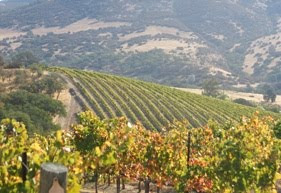
When I started to write this blog piece, I was going to comment that these two, out of the way wineries were definitely worth seeking out. The wines are fabulous, and the country roads to get to them make a lovely detour from the more traveled highways. However, the “powers that be” at Diageo, have decided to close the Chalone tasting room effective June 26. Another great wine experience lost, and more is the pity.

How I rate wines:
***** = Five Stars = Outstanding wines showing excellent balance, style and distinctive character. These are worth seeking out and purchasing as much as you can afford.

****+ = Four Stars plus = Half-way between Four and Five Stars.

**** = Four Stars = Excellent wines with enough character, finesse and balance to distinguish from the rest. Buy a few bottles, and you can thank me later.

***+ = Three Stars plus = Half-way between Three and Four stars

*** = Three Stars = Very Good wines, but lacking that certain something that makes them special. Buy a bottle or two or three.

**+ = Two Stars plus = Half-way between Two and Three stars

** = Two Stars = Good wine, but nothing exciting. Use it to round out the case for a discount.

*+ = One Star plus = Half-way between One star and Two stars.

* = One Star = Mediocre wines that are adequate to drink, but only if nothing else is available.

## = no stars = Seriously flawed wine.

Monday, June 21, 2010

Three Wines from the New Foppiano


By Mac McCarthy

Lucky me: I received the other day three wines from Foppiano Vineyards in Healdsburg (CA), a winery dating back to 1896 that has recently refresh itself, including new labels, under the direction of winemaker Natalie West and vineyard manager Paul Foppiano (all this I learned from the accompanying materials).

The three wines were a Sauvignon Blanc, a Rose, and a Pinot Noir. Rather than tasting them alone, I brought them to the San Francisco East Bay-area wine group, The Pompous Twits, to broaden my impressions. Julie Mrasek was hosting the June tasting event and was kind enough to allow me to have the Foppianos as starter wines.

My personal bottom line on these wines: I liked them all – eventually. The Sauvignon Blanc was flavorful, the Rose was rich and tasty, and the Pinot, after it opened up a bit, was dandy. The opinions of my Twit colleagues varied quite a bit—as they always do, a reminder of how differently each individual tastes a complex item like wine.

The Foppiano vineyards lie south of Healdsburg in Sonoma Country, in the Russian River Valley appellation. In each case, the grapes were harvested at night while they were cool, then held for a few days at cool temperatures before being processed, to preserve the acids.


2009 Foppiano Estate Sauvignon Blanc ($18) 

The Sauv Blanc is 14.0% alcohol, dry though it seemed sweet due to the fruit flavors, fermented in steel tanks. 860 cases were produced of this vintage.

I loved the nose on this wine: a little lemon grass in stone fruit. The flavor was richer than the steelier Sauv Blancs one commonly tastes. Twit John Engstrom said it was well made, though not to his personal style; Tom Tilly said it was to his style, however. But they and others referred to it as "insubstantial," and opined that it is not a "serious" wine, though it is a fun wine with any of the varied foods we had that night. The two thought it would be much liked by the "You mean Zin comes in red too?" crowd, as they put it.

Mark Cruciani, however, said it was exactly what he looks for in a Sauv Blanc – crisp, with a little zest, but subtle and not overwhelming. It seemed to him like there was a slight bit of malolactic fermentation (there isn't; it just has that richness). He thought it would make a good everyday wine.

Ten of the group liked it; only one said "Maybe."


2009 Foppiano Estate Rose ($15) 

The rose is a blend of roughly half Pinot Noir and half Petite Sirah, produced in the Saignee style, where the juice is allowed to bleed off rather than being crushed. Alcohol is 14.2%; developed in neutral French oak for six months. 220 cases were produced.

This wine, too, had a nice nose – so many wines these days have no nose at all, have you noticed? I found it lightly flavorful, with lots of fruit, and a longish finish.

Several of our members called it "a great BBQ wine" because of its minerality and slight sweetness. John pointed out that it shows a slight tannic bite in the finish (that's probably due to the Petite Sirah.)

Lisa Gros found "strawberry, like a strawberry twizzler stick" in the flavor. She and others agreed it was an approachable wine; several felt that it was, again, a simple wine but not one that sophisticated rose fans would find as interesting – "a starter wine," one person called.

Me, I liked it a lot. I think those who weren't as impressed are those who prefer the drier French style of rose. There is such incredible variety in the flavors and styles of rose that you never find agreement as to preference. I thought this rose was flavorful and satisfying and priced right.


2008 Foppiano Estate Pinot Noir ($25) 

This wine was pressed to French oak barrels and underwent malolactic fermentation, then aged in barrel 14 months. Alcohol level is 14.9%; 800 cases produced.

There was an odd note to the nose of this wine at first: Lisa referred to it as "licorice." I didn't like that, but it blew off quickly. Someone thought this wine would go well with, say, a flank steak with heavy sauce.

I was hesitant about this wine, until I had some of the pate that Mia Cruciani brought – the Pinot really liked this pate! In addition, after a while, as the wine got some air in it, the taste improved quite a bit. I wasn't impressed at first; later, I decided I liked it a lot.

This is a lighter style Pinot, though not completely into the Burgundy camp. It seems like a good beverage wine, one to serve with food (rather than a 'cocktail' or sipping wine). Again, the group found it pleasant, a good choice for a BBQ or an afternoon on the deck, but without enough complexity to please experienced Pinot drinkers.

After our Foppiano pre-wines, we moved on to other wines Julie provided for the evening, including a J Vineyards Cuvee 20 NV Brut from the Russian River; a 1998 E. Guigal Chateauneuf-du-Pape that was tasty; a Williams Selyem 2001 Pinot that surprised me by not being the knockout I always hear it's supposed to be; a tasty Michel-Schlumberger 04 Cab; a flavorful 2007 Bella Vineyards Big River Ranch Grenache, a delicious Novy Family 06 Carlisle Vineyards Zin, a satisfying 05 Carol Shelton Rue Vineyard Karma Zin, and a 2001 Martinelli Moonshine Ranch Pinot Noir that was in some ways the biggest, jammiest wine of the evening.